

Apr 21, 2026, 6:38 AM CT


Share
In the world of sport psychology, there is often a strong emphasis on the athletes we traditionally work with. When I first entered the field, the most common populations included NCAA athletes, professional athletes, and youth sport participants. However, one population that is both high performing and frequently overlooked is collegiate sport club athletes.
Sport clubs are student organizations housed within collegiate Campus Recreation departments that compete in a wide variety of sports. These athletes practice consistently, travel to competitions, and in many cases perform at an exceptionally high level. I have worked in Campus Recreation for over eight years, but it was during my time at the University of North Texas that I became deeply familiar with the sport club environment. What quickly stood out was that many of these athletes were competing against other varsity programs while receiving little to no support. Limited funding, restricted access to space, and a lack of mental performance resources were common. I witnessed clubs win national championships without proper recognition or support.
Like many collegiate athletes, sport club members juggle academics, employment, leadership roles, and personal responsibilities. They experience stress, anxiety, confidence challenges, and pressure to perform. Yet the majority of support provided to this population focuses on logistics and physical performance. Mental skills training, despite its proven impact on performance and well-being, is often absent. One reason for this gap is that sport club athletes are not always recognized as athletes in the traditional sense. Campus Recreation oversees this population, but the field itself has had limited integration with sport psychology.
Alongside this gap, I have also faced a challenge common to many early-career mental performance professionals: the difficulty of obtaining the supervised hours required for CMPC certification. Many graduate programs do not fully prepare students to meet these requirements, and entry-level opportunities are often limited. When Campus Recreation became my full-time role, I began to see a connection between these two issues.
What if an underserved athlete population and aspiring mental performance professionals could support one another?
By integrating early-career mental performance consultants into Campus Recreation, sport club athletes gain access to evidence-based mental skills training, including goal setting, emotional regulation, confidence development, leadership, and communication. These skills not only enhance performance but also support personal growth and well-being. At the same time, early career professionals gain meaningful applied experience in a real sport environment. Because sport clubs are largely student-led, there are often fewer barriers to implementation, and many clubs actively seek additional resources to support their competitive goals. I am currently working to conceptualize what a sustainable system for this model could look like within Campus Recreation, with the goal of creating clear pathways for implementation, supervision, and long-term impact
This approach creates a mutually beneficial model. It expands access to mental performance services, supports athlete development, and helps bridge a critical gap in professional training. Campus Recreation has the potential to be more than a place for participation; it can be a space where performance, well-being, and development intersect. When we invest in training the mind alongside the body, we create stronger athletes, leaders, and communities.

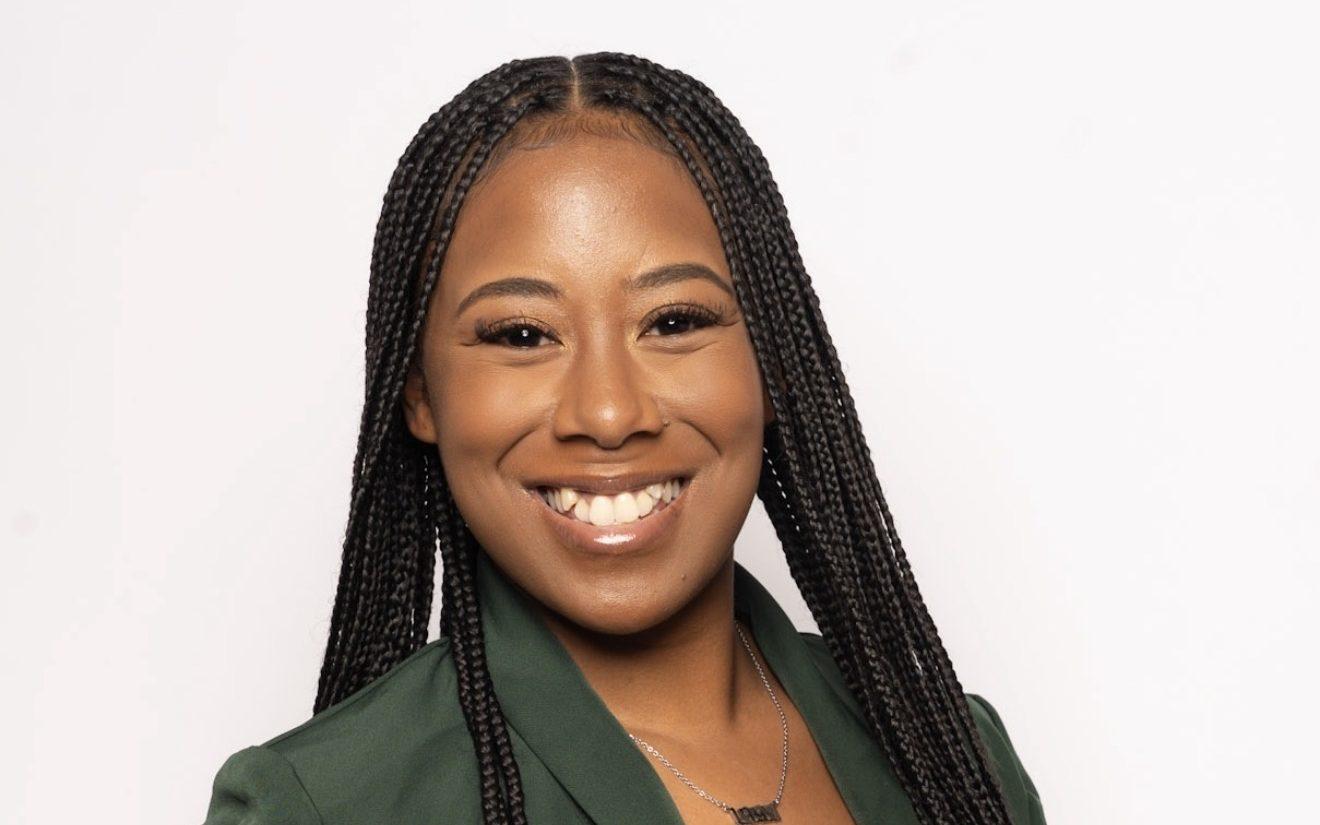
Kayla Ford is the Sport Club Coordinator at Tarleton State University’s Campus Recreation and an emerging mental performance consultant. She earned her Master’s degree in Kinesiology with an emphasis in Sport Psychology from the University of North Texas. In her role, Kayla supports sport club athletes through program leadership and club operations, with a strong focus on expanding access to resources for underserved athlete populations. She is passionate about bridging gaps in support by integrating mental performance into Campus Recreation. Kayla is committed to mentorship, leadership development, and enhancing athlete well-being and performance through intentional, applied sport psychology practice.
Want More Local News?

Civic Media
Civic Media Inc.
The Civic Media App
Put us in your pocket.
